
Updated 2026-11-26 · Portland Rodent Control
Rodents ignore property lines, so local rules and agencies play a real role. Here is a practical overview. Program details change, so check with the agency for current services.
Who is responsible?
- Homeowners are responsible for rodents on and in their own property.
- Landlords are generally responsible for keeping rental buildings free of infestations and in good repair; tenants are expected to keep units clean and report problems promptly. Check your lease and local housing code.
- Businesses, especially food businesses, must prevent pests under health codes, and inspectors look for rodent evidence.
Who to contact about rats on public or neighboring property
- City of Portland and Multnomah County: for rats on public property, in alleys, around problem properties or near sewers, use the City of Portland's reporting channels, and check Multnomah County's vector control program for rat information and complaints. Check their websites for current contact details.
- Outside Portland: contact your city hall or county; Washington, Clackamas, Columbia and Yamhill County communities each handle complaints differently.
Rodenticides and licensing
In Oregon, anyone who applies pesticides for hire, including rodent baits, must hold a commercial pesticide applicator or operator license from the Oregon Department of Agriculture (ODA), and companies are expected to be properly insured and bonded. Ask any company for its license number and check it with ODA's license lookup before you hire.
Working with neighbors
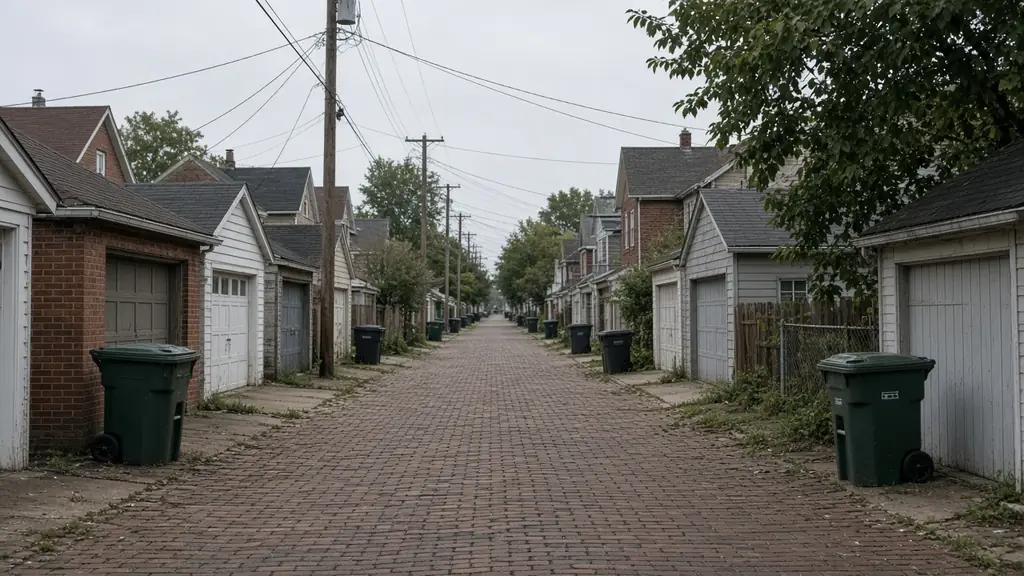
- Coordinate trash habits on your alley: lids closed, no bags beside carts, bulky items out only on pickup days.
- Ask neighbors to take in bird feeders over winter and keep compost closed.
- Report vacant lots, abandoned buildings and illegal dumping; they are common rat sources.
- Treating several neighboring properties at once is far more effective than one house at a time.
Businesses and property managers
Restaurants, grocery stores, warehouses and apartment buildings can drive rodent pressure for a whole block. A documented commercial rodent program keeps them compliant and keeps neighbors on side.
Get a free rodent inspection
Tell us what you are seeing and where. We will book a free inspection with a licensed local technician.
Call (503) 389-4910